Rust removal YT video (a DIY equivalent to evapo rust) July / 2024

MoPar~Man

Senior Member
FCBO Gold Member
Joined
Aug 21, 2022
Messages
2,045
Reaction score
1,320
Location
Ontario, Canada
Stumbled across this video, looks like a real thing, practical and cheap.


The recipe (Per 1 liter of water):

1: 100 Grams Citric Acid.
2: 40 Grams - Sodium Carbonate /OR/ 63 Grams - Sodium Bicarbonate /OR/ 30 - Grams Sodium Hydroxide.
3: Add ingredients from 1 & 2 to the water.
4: Wait for reaction between Acid and Base to complete.
5: Add final ingredient: Arbitrary amount of liquid dish soap (or other wetting agent / surface tension reducer).

40 grams of sodium carbonate from Arm and Hammer Super Washing Soda, or
63 grams of sodium bi-carbonate from Arm and Hammer Baking Soda

The result should give a solution with PH of 4, but one comment says he got a lower PH and was wondering why, but that comment doesn't seem to have been resolved. Perhaps a PH meter is needed to adjust the amount of ingredient 2 to achieve PH of 4. The closer to ph 4 means the closer to a solution that is equivalent to evapo rust in terms of not attacking the base metal object.

Some questions I have, is there any advantage to using distilled vs tap water, and can molasses be incorporated somehow to increase the performance. Also, what is the PH of evapo-rust?
 
Tap vs distilled will definitely make a difference to the ending PH.
Tap can be plus or minus 2 ph depending upon where you are pulling the water from.
 
The soda neutralizes the acid.

Neutralization of Citric Acid with Sodium Bicarbonate:

If sodium hydroxide is not available, I can use a base such as sodium bicarbonate to neutralize citric acid.

Sodium bicarbonate, commonly called baking soda, is a chemical compound with the formula NaHCO3. The chemical composition of citric acid and sodium bicarbonate reacts together to produce another compound called sodium citrate, water, and carbon dioxide. Because this chemical reaction is associated with the production of carbon dioxide, the reaction conditions must be controlled in terms of temperature and pressure. Although no explosive reaction occurs, it is recommended that this reaction be performed under controlled conditions.
I would not be following chemical experiments from Youtube with out clear understanding of what is being mixed and the results. Some simple household ingredients can kill or seriously harm you in a closed environment.
I have a mild solution of Phosphoric acid that i clean my rusty parts in. Rinse with water and scrub brush or leave the black phosphate coating to help preserve. To kill the acid add baking soda to rinse water. I see people adding vinegar and baking soda thinking that it will clean better because it has a strong foam reaction.
 
Last edited:
Results after weeks of treatment inside the rockers.... some areas were completely eroded away that were entirely held together with rust.

IMG_2661.JPEG


Inside the rocker panels - they came out clean!

IMG_2657.JPEG


Bottom rear of the rocker. After cleaning it is evident that rust has pushed apart the pinch seam at the bottom of the rocker. Also the outer panel is completely rotted away. This area not only gets splash up from the road but water draining down from the quarter window above. Will need repairs....

IMG_2660.JPEG
 
I successfully made this solution and posted results here:

Brake system overhaul - '71

I just purchased 20 lbs of citric acid in bulk and will be making another 20 gallons this weekend to pump through the hidden cavities of my NY....

Did you post your forumulation in that thread?

Did you use a rinse to neutralize after doing the rust removal, and if so what did you use, and did you use anything to prevent flash rusting?
 
Last edited:
The soda neutralizes the acid.

Neutralization of Citric Acid with Sodium Bicarbonate:

If sodium hydroxide is not available, I can use a base such as sodium bicarbonate to neutralize citric acid.

Sodium bicarbonate, commonly called baking soda, is a chemical compound with the formula NaHCO3. The chemical composition of citric acid and sodium bicarbonate reacts together to produce another compound called sodium citrate, water, and carbon dioxide. Because this chemical reaction is associated with the production of carbon dioxide, the reaction conditions must be controlled in terms of temperature and pressure. Although no explosive reaction occurs, it is recommended that this reaction be performed under controlled conditions.
I would not be following chemical experiments from Youtube with out clear understanding of what is being mixed and the results. Some simple household ingredients can kill or seriously harm you in a closed environment.
I have a mild solution of Phosphoric acid that i clean my rusty parts in. Rinse with water and scrub brush or leave the black phosphate coating to help preserve. To kill the acid add baking soda to rinse water. I see people adding vinegar and baking soda thinking that it will clean better because it has a strong foam reaction.

The method described is harmless. It generates CO2. You are creating citrate ions which chelate iron.

You've got to decide if you're going to remove rust with acid (acetic or muriatic) or by chelation. Using acid will attack the base iron object under the rust. Chelation solutions like evapo-rust are desirable but as stated in the video the commercial products are very expensive. Acetic acid (ie - vinegar) is also said to remove rust via chelation, but is apparently not as effective as citrate. I don't know if you can neutralize acetic acid with a bicarbonate and if what you end up with works as non-destructive rust remover.

I don't know if citric acid, by itself and not neutralized, is either an effective chelator or an effective acid for rust removal.

Phosphoric acid is apparently a different animal - by reacting with iron oxide (ie - rust) to form an iron phosphate layer (which has a black color). That layer is apparently very receptive to paint. But my impression is that depending on how thick the rust is, you might create paper-thin layer of iron phosphate layer that can be easily brushed away, not a very stable surface to paint on.

Commercial rust-remover or metal-prep products that have phosphoric acid as the primary ingredient, or even just straight phosphoric acid, is very scarce to buy in Canada compared to the US when you're looking for gallon quantities.
 
If I was to use citric acid, I would use straight and dilute with water if I found too strong.
 
Did you post your forumulation in that thread?

Did you use a rinse to neutralize after doing the rust removal, and if so what did you use, and did you use anything to prevent flash rusting?

The formula is the same as what Beyond Ballistics used in their video in post #1.

Rinse with water and phosphoric acid metal prep as the final treatment to clean the metal and prep for paint.
 
A PH of 4 just means you created a mildly acidic solution.
1748145442497.png


Any acidic solution will dissolve rust. The only difference is how fast. Since acid will also dissolve unrusted metal, you want to find something that will remove the rust with minimum damage to the good metal. I image that the particular steps are to buffer the solution. A good explanation may be found at:
 
I've been going to try this for a while now and today I mixed up 3 quarts of the solution.

I should say that I have a love/hate relationship with Evaporust.... Works great new, but doesn't last long. I don't care what Evaporust says, it gets slower and slower with each use until it finally doesn't do anything. It really gets bad if the parts have any oil or grease on them. It's not cheap either.... So finding an economical alternative intrigued me.

There was this thread on The HAMB that helped. Hot Rods - Rust Removal - Tools or Parts

I used tap water instead of distilled water, as our tap water is about 7PH and used washing soda.

I started to just do 2 quarts and mix it all up in a gallon bottle.... That was a mistake.... Fortunately, I was mixing in the sink because the solution started foaming up out of the bottle like a grammar school volcano science project. A quick dump into a 5 gallon bucket saved the day. I mixed up another quart to fill the bucket a bit more.

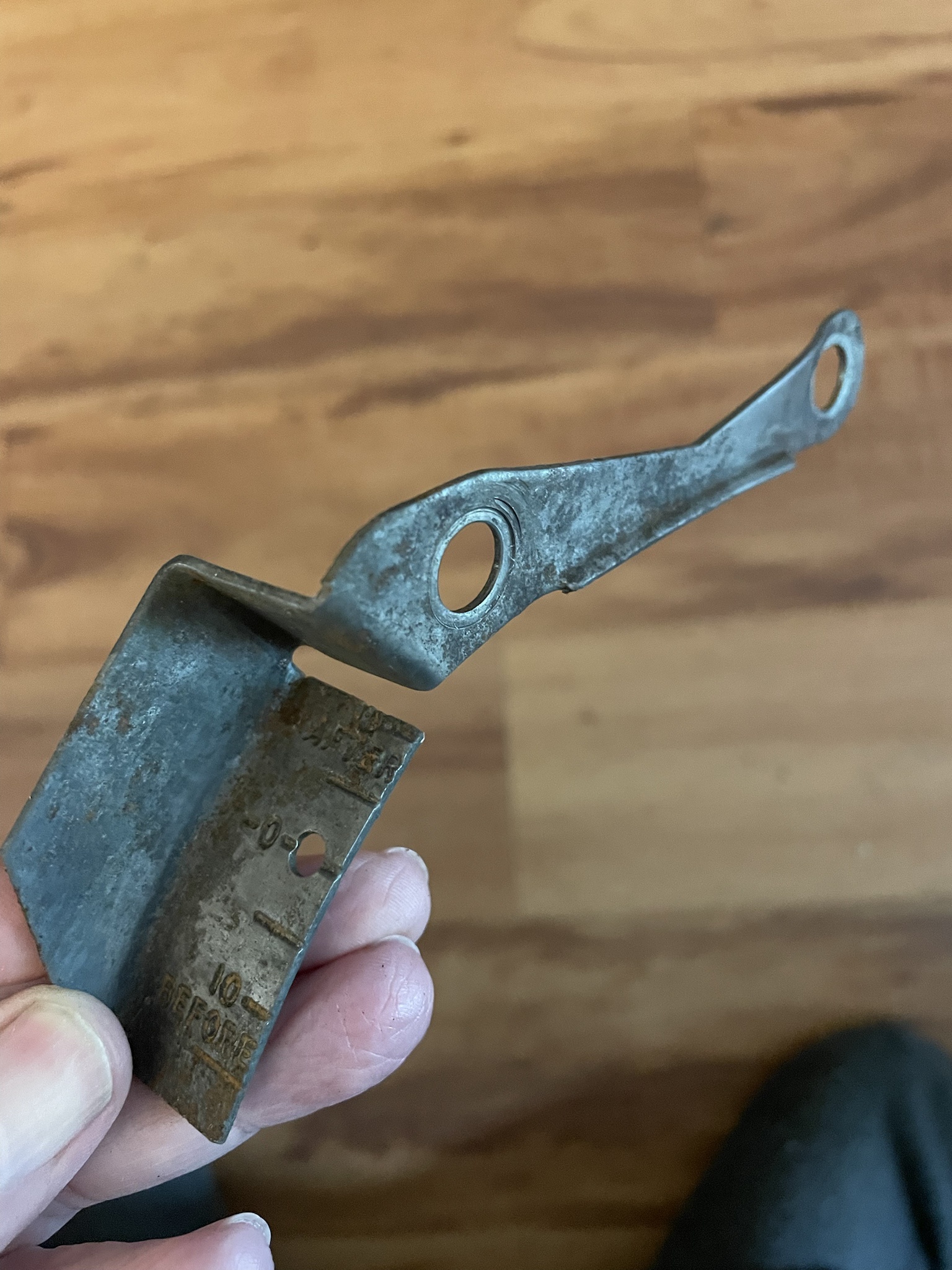
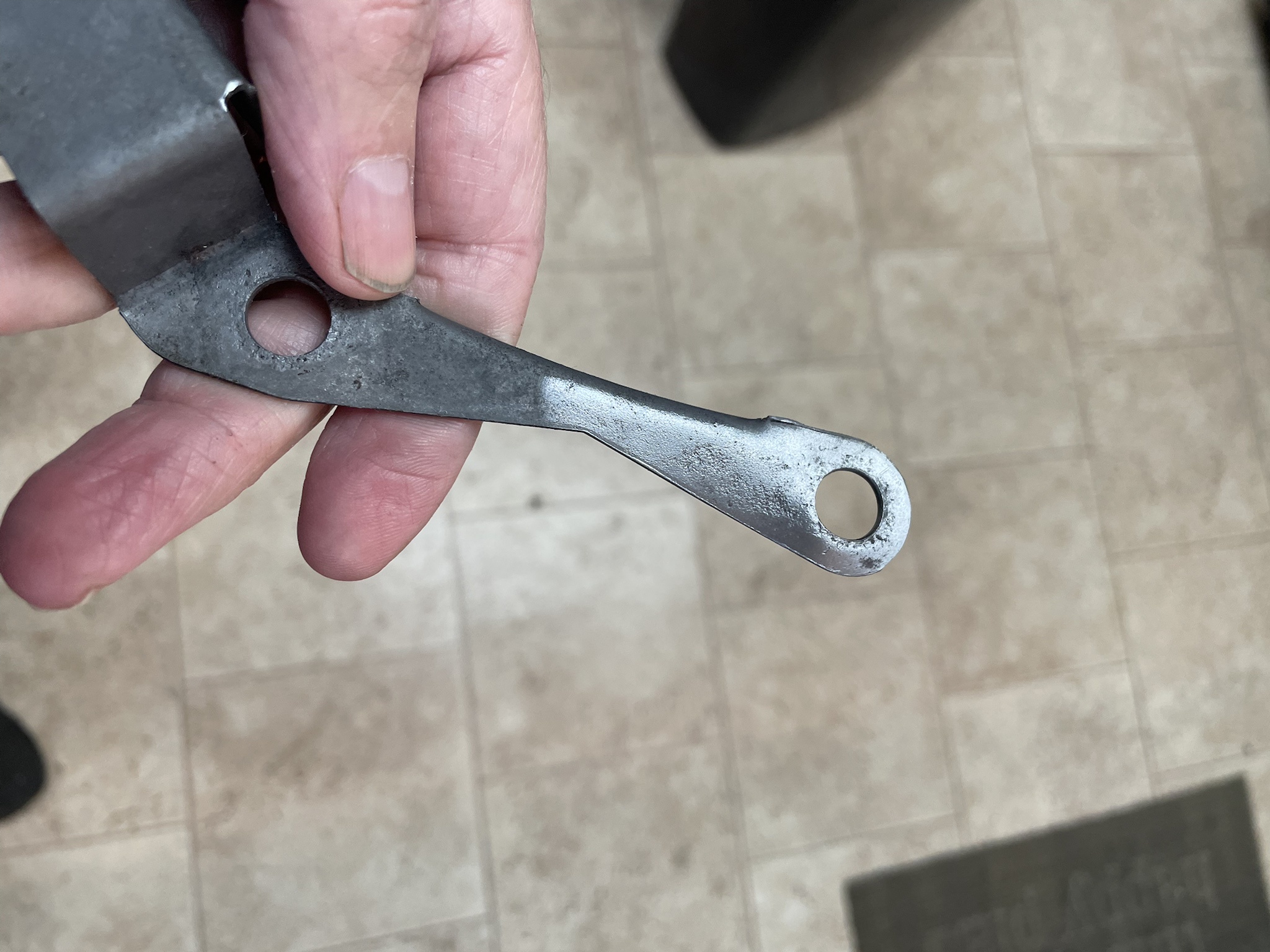
This is the timing marker for my 273 project. It was covered in rust. I was going to fire up the sand blaster and be done with it, but decided to try dunking it instead. It has about an hour and a half in the solution. I should have taken a before shot.... But I didn't. I'm pretty impressed... Within the first 15 minutes, it had almost half the rust gone. I'm going to toss it back in and see what happens, but really, it's almost ready to paint.

KOwxnEa.jpg


In hindsight, I would have used hot water as the washing soda tended to clump up. I also would have added the mixture a little at a time so it doesn't foam over the top.
 
The timing marker was in for another hour and a half. It came out pretty good and I'm happy with it. I wiped it down with metal prep when it was done to prevent any flash rust. I also wire brushed a section on the back just for grins.

kUtM5bi.jpg

XhDzAay.jpg


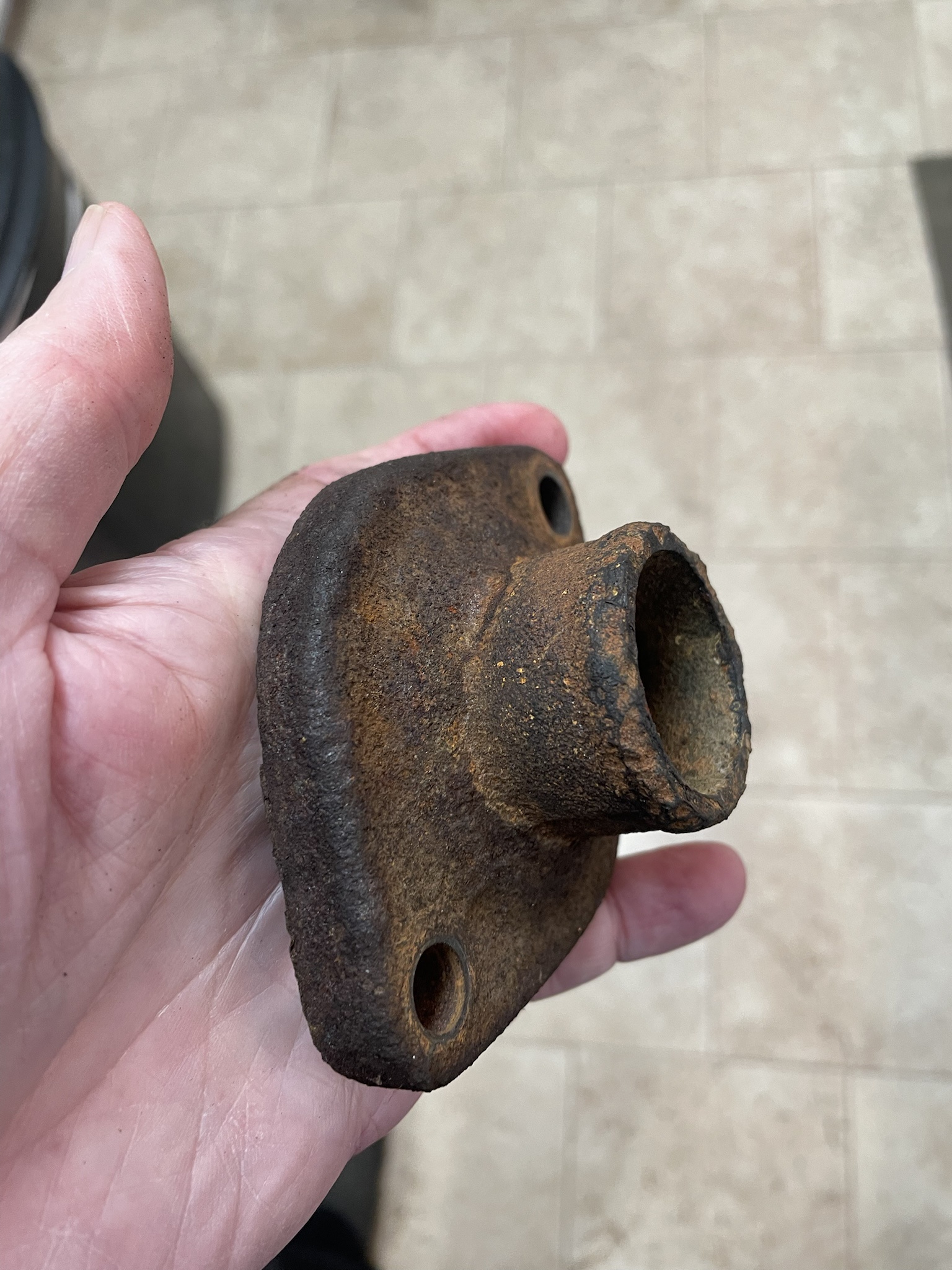
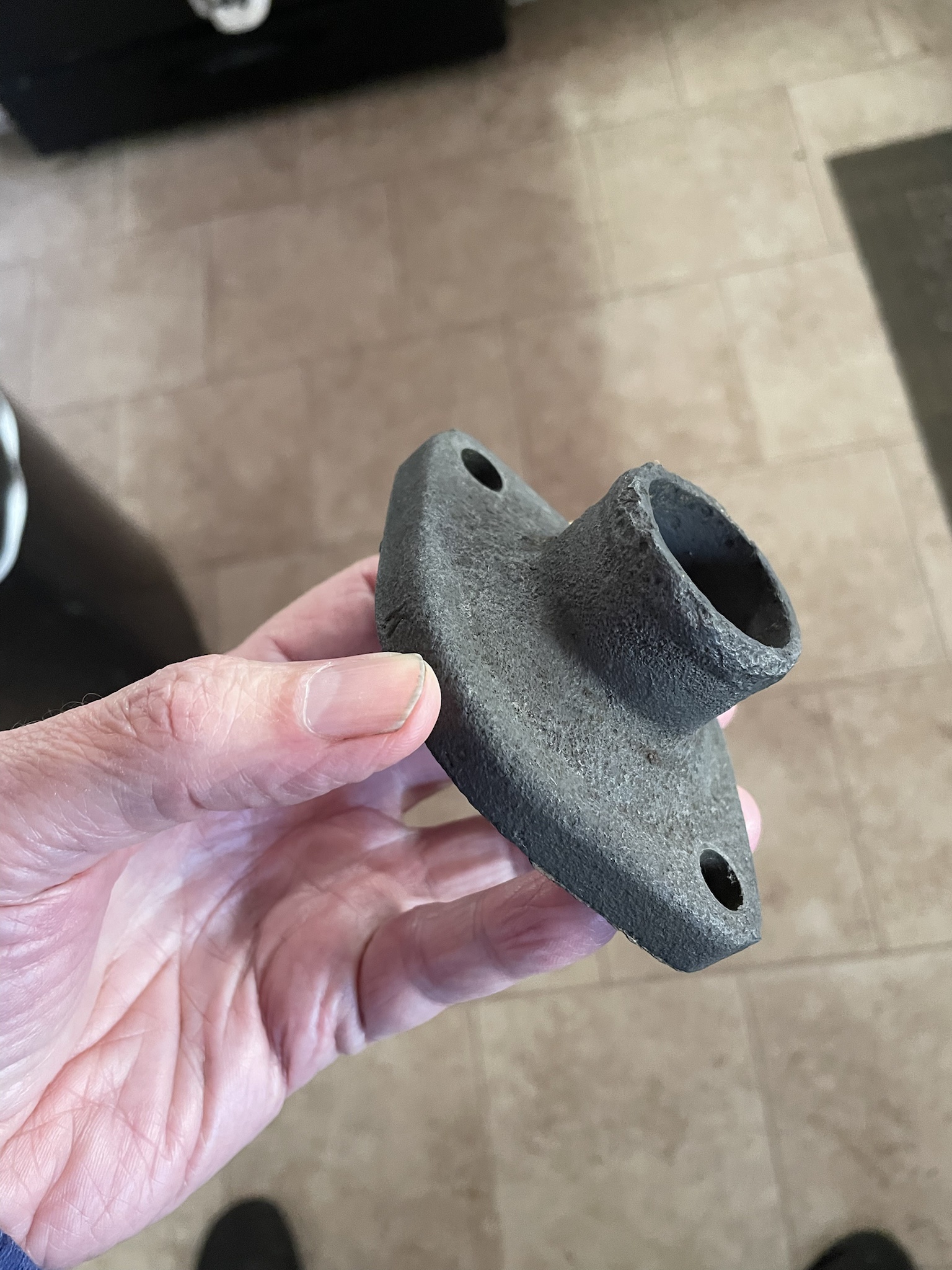
Then I stuck this rusty cast iron water neck in the solution. I checked after an hour (no pics) and it was working, but no where near done. I kind of forgot to check and it sat overnight. Again, I'm pleased with the results.

rqUBjTS.jpg

Kbnr7JE.jpg
 
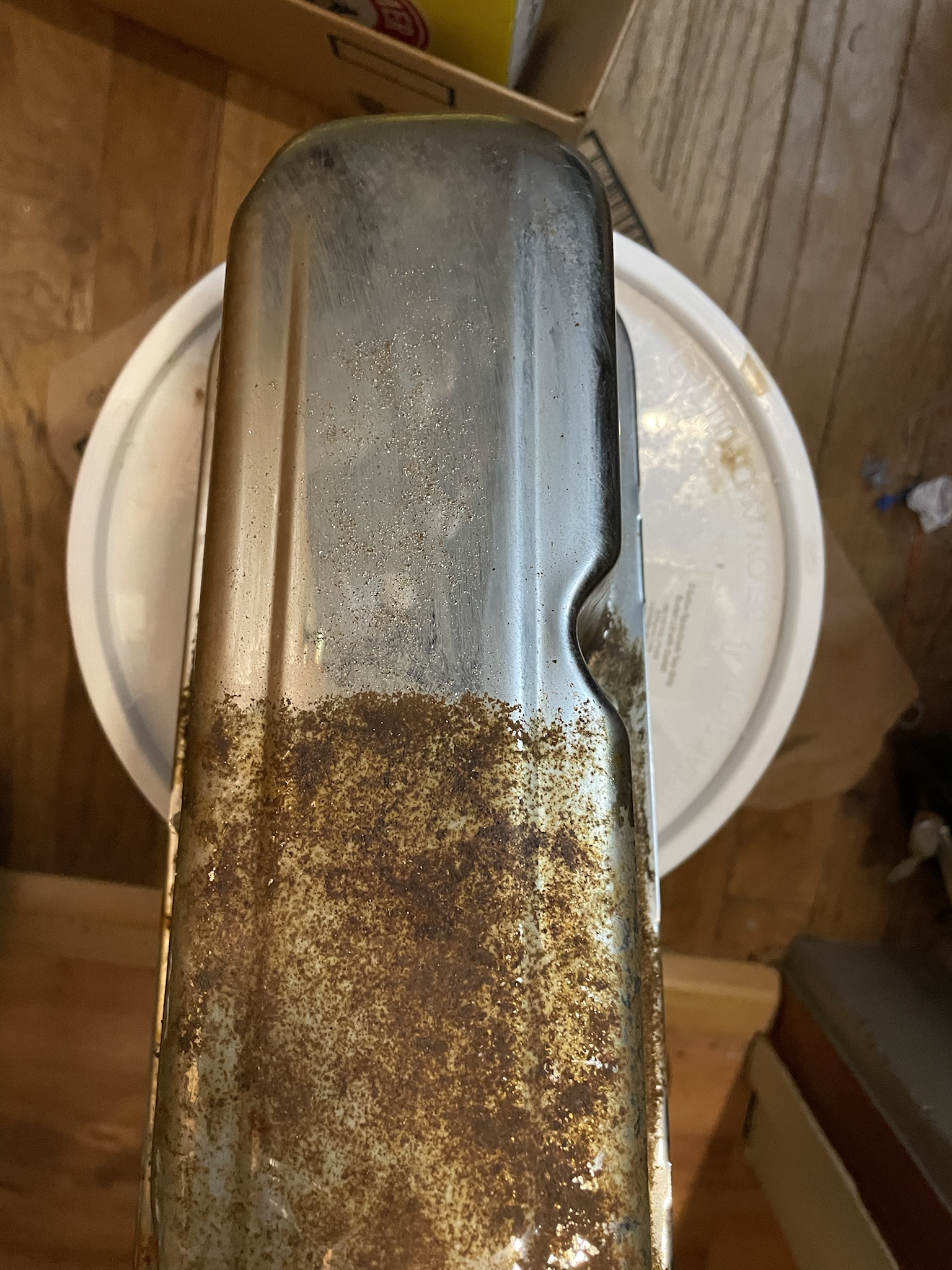
One more thing I had to try... This was a cheap valve cover that came on a 273. I tossed it in yesterday afternoon and checked it a couple times and there wasn't a lot of change. So it sat overnight and still the same this morning. I was going to call it a failure and took it out of the solution. Then I wiped it off and all the rust wiped off.

So, I'm not sure of when it was done, but it proved that it worked... and didn't hurt the chrome. I knew they were cheap off-shore valve covers and if the chrome was going to come off... it would come off on these.

So, no chrome problems (other than the pitting that was there) and the metal is clean. If I wanted to clean them up, they would get sand-blasted and painted.

ZPtZa3w.jpg
 
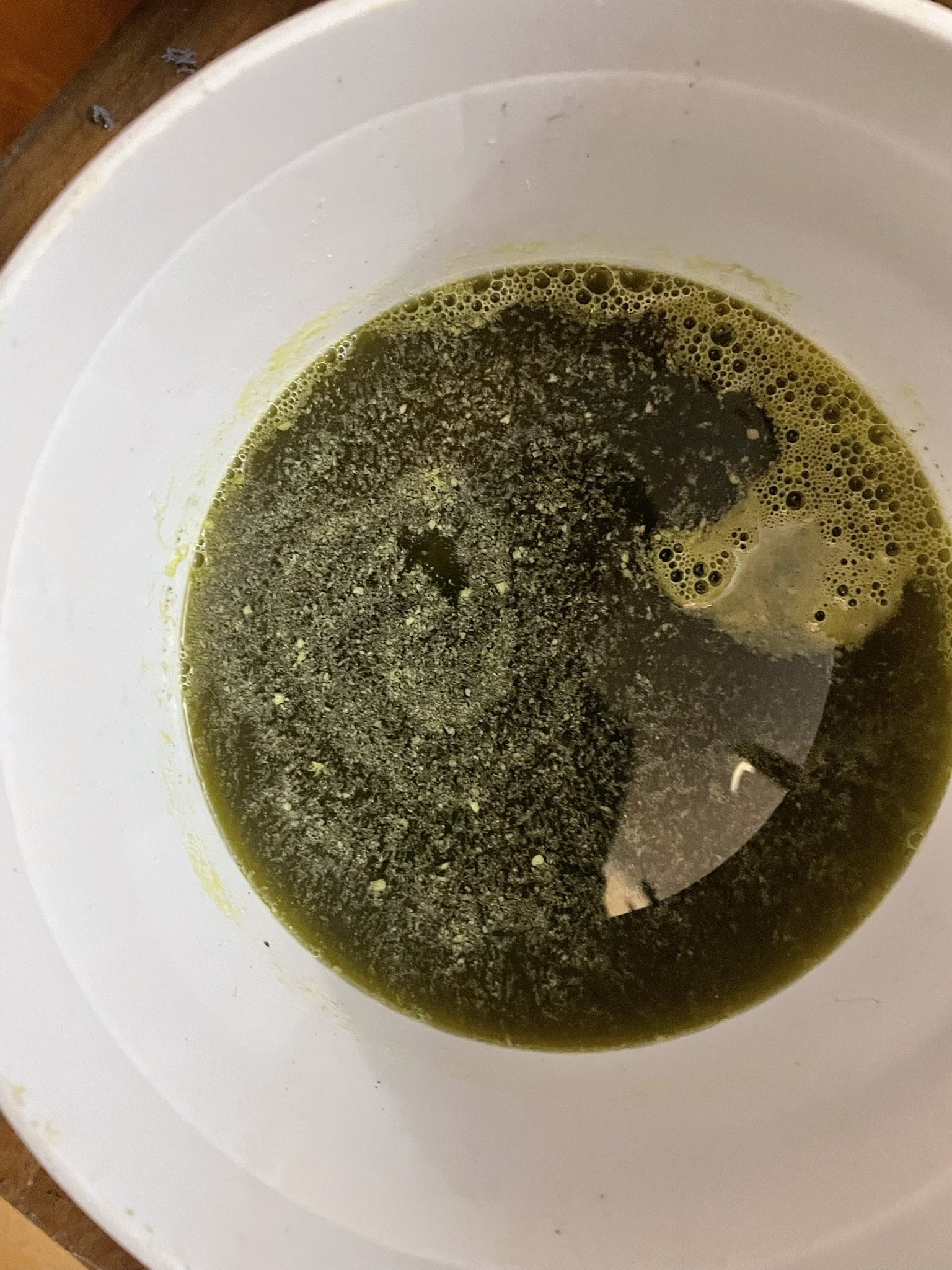
Two weeks into using this stuff and it's still doing OK. The liquid is getting kinda nasty. Since I've just been doing overnight soaks, I can't say if it's still as potent, but it's still working. Evaporust would have given up almost completely by now.

UwMCBVs.jpg


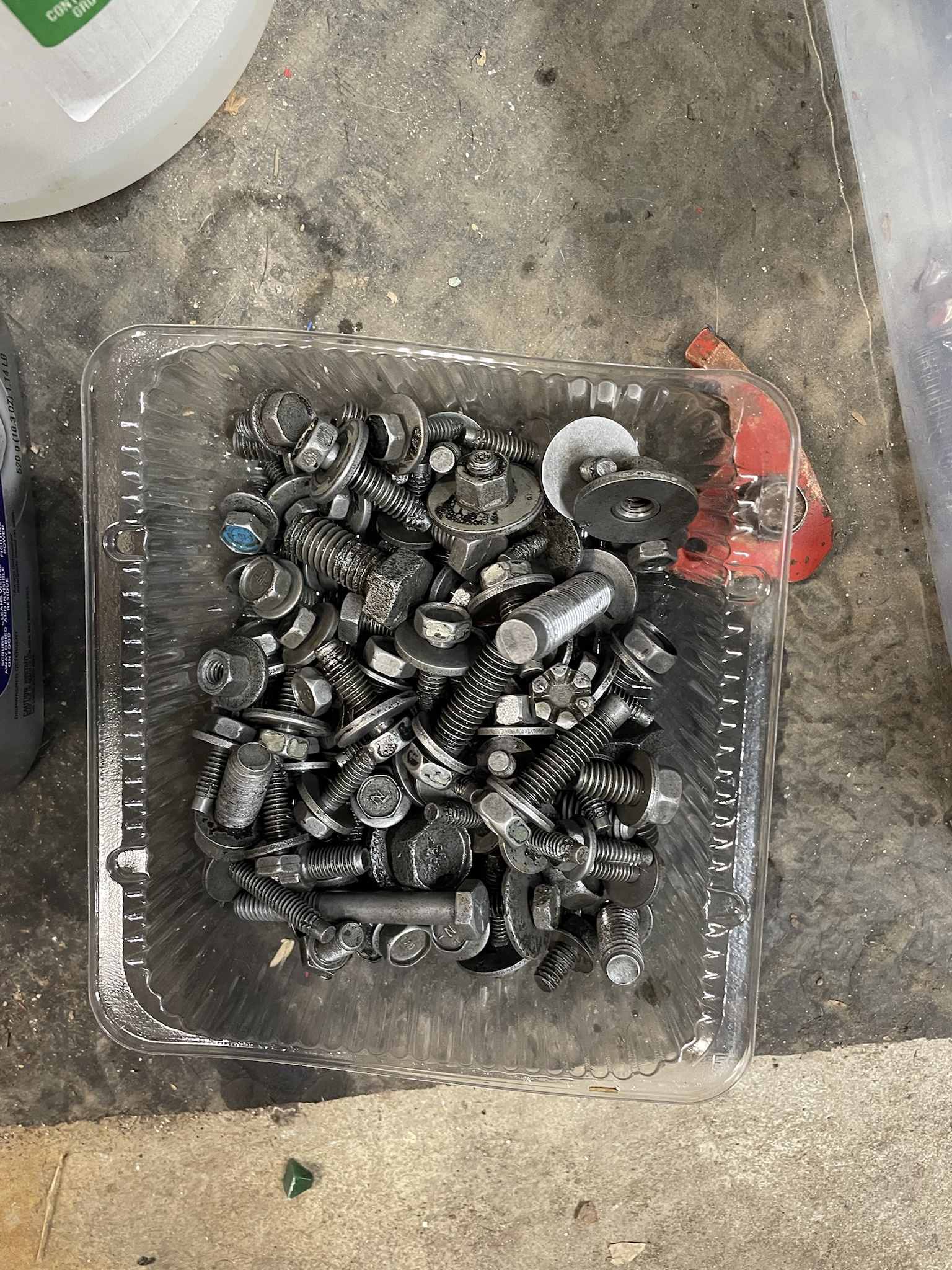
I have a collection of engine bolts that I started back in the 70's. The bolts have gotten quite nasty over the years. Some were rusty to begin with and some got rusty sitting around.... I've derusted several coffee cans full since I mixed this up. I soak overnight, then an hour or so in my Harbor Fright tumbler with Zep citrus degreaser. From there, they go into my ultrasonic cleaner that I scavenged out of the junk pile at work. That's filled with the same citrus degreaser, only mixed 50/50 with water. Then they get a quick dry off and sprayed with oil. BTW, Walmart has a Super Tech spray oil that is great for this.

U4b5Pts.jpg
 
Two weeks into using this stuff and it's still doing OK. The liquid is getting kinda nasty. Since I've just been doing overnight soaks, I can't say if it's still as potent, but it's still working. Evaporust would have given up almost completely by now.


I have a collection of engine bolts that I started back in the 70's. The bolts have gotten quite nasty over the years. Some were rusty to begin with and some got rusty sitting around.... I've derusted several coffee cans full since I mixed this up. I soak overnight, then an hour or so in my Harbor Fright tumbler with Zep citrus degreaser. From there, they go into my ultrasonic cleaner that I scavenged out of the junk pile at work. That's filled with the same citrus degreaser, only mixed 50/50 with water. Then they get a quick dry off and sprayed with oil. BTW, Walmart has a Super Tech spray oil that is great for this.

Be careful, that dirty solution will stain certain surfaces such as concrete and clothing. It can be wiped off easily though before it soaks in.

My garage floor will need an acid clean after all the breaches in my homemade car irrigation system.
 
Be careful, that dirty solution will stain certain surfaces such as concrete and clothing. It can be wiped off easily though before it soaks in.

My garage floor will need an acid clean after all the breaches in my homemade car irrigation system.
The floor is already stained... This would probably help if anything. LOL.

My clothes....

1763299009366.png
 
The floor is already stained... This would probably help if anything. LOL.

My clothes....

View attachment 742949

The fresh solution does clean concrete indeed. Even etches it a little.

Side note, the effectiveness decreases with temperature, even out here in CA. If you have this in a cold garage it may not work. I had to heat my solution when the temps dropped into the frigid 50s, lol. Same with Evap-o-rust, & Rust 911.
 
The fresh solution does clean concrete indeed. Even etches it a little.

Side note, the effectiveness decreases with temperature, even out here in CA. If you have this in a cold garage it may not work. I had to heat my solution when the temps dropped into the frigid 50s, lol. Same with Evap-o-rust, & Rust 911.
It's inside right now. My ultra sonic cleaner and tumbler is in the garage though. The ultrasonic cleaner doesn't have heat, but it heats the cleaner up as it works, so after a couple hours, it's warm enough to help clean the bolts.
Low 30's here right now, snowing earlier.
 
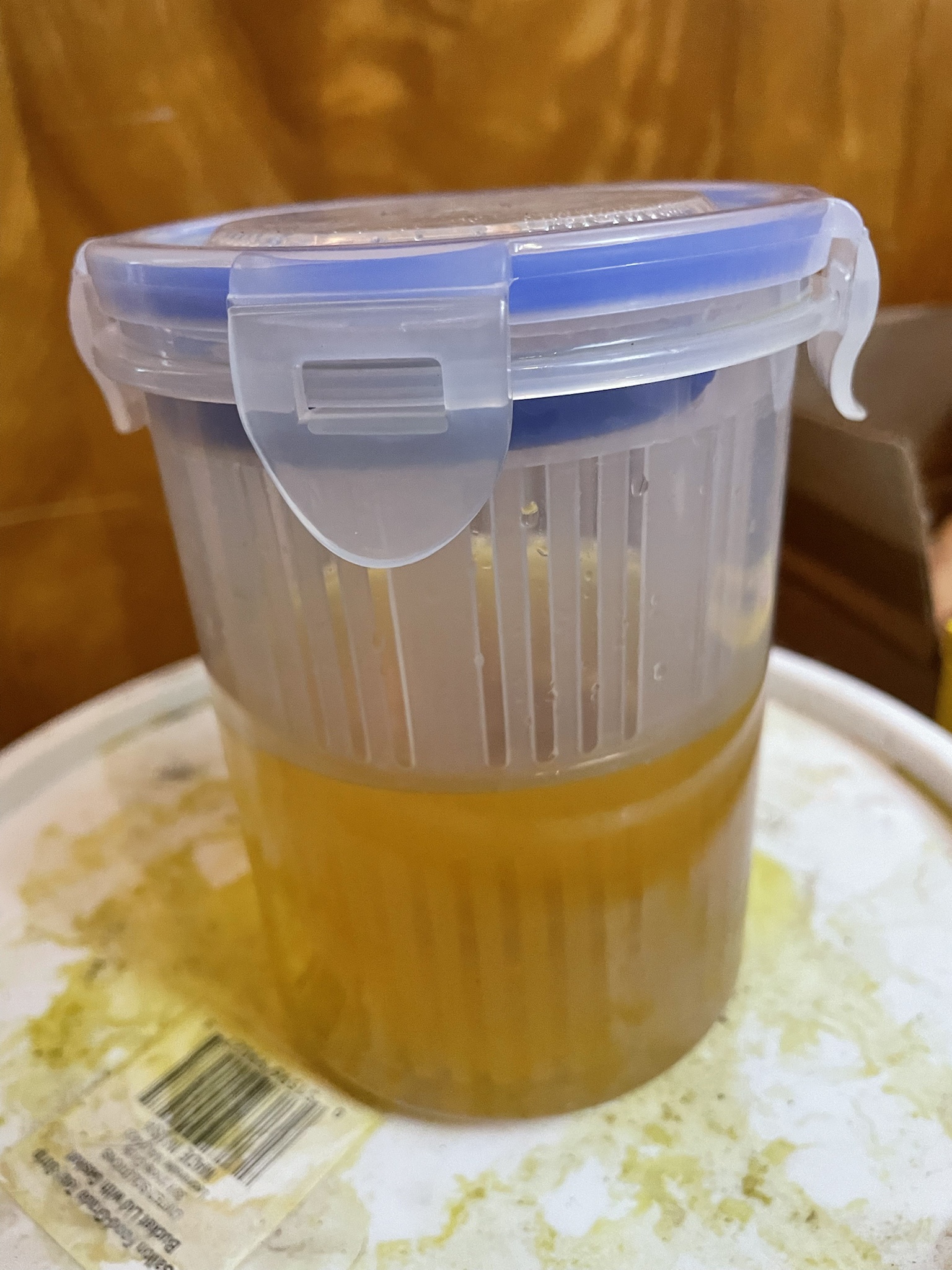
I discovered these a while ago for some other stuff I was doing. For small items like a few bolts, this works perfect.

This particular one has Evaporust in it, but no reason why the home brew won't work in it.

cVn5mrT.jpg


https://www.amazon.com/dp/B0BB2SDDWJ?ref_=ppx_hzsearch_conn_dt_b_fed_asin_title_1&th=1

They don't work too well with some parts cleaning liquids though... I think the petroleum based solvents make the plastic swell and the strainer gets stuck... Then the bottom swells so it won't sit flat anymore. I do know they work with isopropyl alcohol though.
 
Back
Top